What to Expect From a Professional Chimney Inspection
Get Peace of Mind Before Next Burn Season
Booking a chimney inspection before burn season is one of the simplest ways to keep your home safer and more comfortable. When you take care of it in spring or summer, you are not rushing to fix surprise problems on the first cold night.
An early chimney inspection gives you peace of mind knowing your fireplace and chimney are ready to use. It also gives you time to plan any repairs before cool weather hits across Cincinnati, Northern Kentucky, Southeast Indiana, and the Dayton area. No last-minute stress, no wondering if that first fire is a good idea.
A professional chimney inspection looks at the whole system, from the firebox you see to the parts you do not. Choosing an experienced chimney company helps protect your home, your heating system, and your long-term home value.
Why Regular Chimney Inspections Protect Your Home
Your chimney works hard any time you burn wood or gas. Over time, it can build up creosote, crack, leak, or shift. You cannot always see those problems from the living room, but they can turn dangerous if they are not caught early.
Regular chimney inspections help protect your home in several ways:
Lower the risk of chimney fires by finding creosote buildup, damaged liners, and loose bricks
Keep smoke and gases moving up and out, not back into your living space
Catch water entry before it leads to mold, stained walls, or damaged ceilings
Extend the life of your fireplace and chimney structure
Inspections also connect directly to indoor air quality. If the flue is blocked, cracked, or not drafting correctly, smoke and carbon monoxide can leak into the home. A trained eye can spot warning signs like:
Soot streaks around the fireplace opening
Odd smells after a fire is out
Stains on walls or ceilings near the chimney
Water is another quiet threat. Moisture that gets in through a bad crown, missing cap, worn flashing, or open mortar joints can break down brick and tile. An inspection can reveal these weak spots so they can be repaired before the damage spreads.
What Happens During a Level 1 Chimney Inspection
A Level 1 chimney inspection is the standard yearly check for a system that has been used regularly and has not changed. If you are burning the same type of fuel, using the same appliance, and have not had any known problems, this is usually the right level.
During a Level 1 inspection, the technician looks at all readily accessible parts, such as:
The firebox and fireplace opening
The damper and smoke chamber area
Visible portions of the flue from the bottom and top
The chimney exterior that can be seen from the ground or roof
You can expect the visit to go something like this:
First, the technician will talk with you about how you use your fireplace and any issues you have noticed, like smoke backing up or strange smells. Then they will lay down protective coverings to keep your home clean while they work.
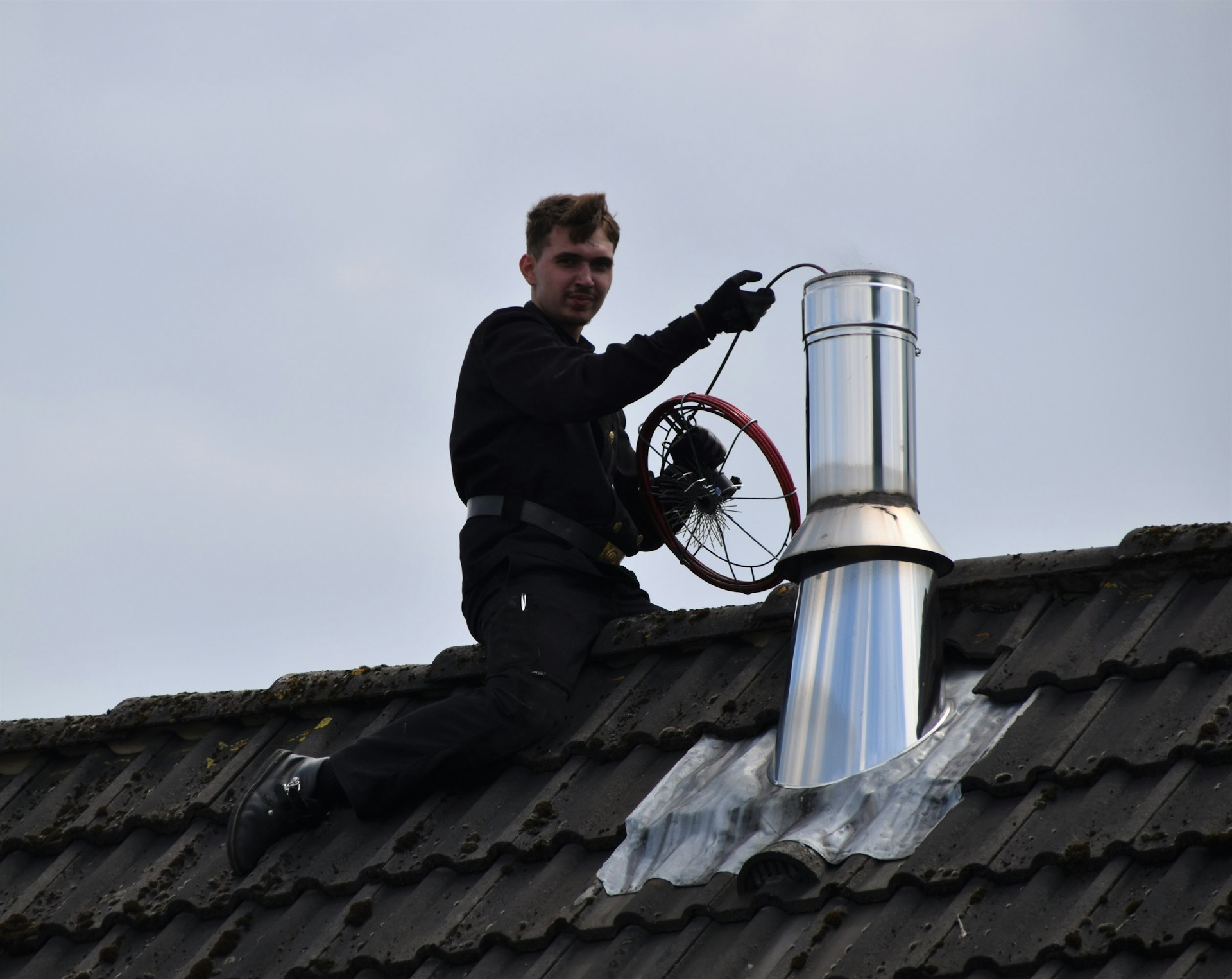
They will inspect from inside the home and from outside, and may need access to the roof if it is safe to do so. A basic inspection usually takes less than a couple of hours, but the time can vary based on your home and the condition of the chimney.
When finished, the technician will explain what they found, answer any questions, and let you know if any cleaning or repairs are recommended before your next burn season.
When You Need a More in-Depth Chimney Inspection
Sometimes, a simple visual check is not enough. That is when a Level 2 or even Level 3 inspection may be recommended.
A Level 2 inspection is more detailed and is often suggested when:
You buy or sell a home with a fireplace
There has been a known chimney fire or strong chimney odor
You change the system, such as adding an insert or new liner
A major storm or event may have damaged the chimney
Along with everything in a Level 1 inspection, a Level 2 inspection usually includes video imaging of the inside of the flue. The technician may also check accessible areas in attics, crawlspaces, or basements where the chimney passes.
In rare cases, if there are signs of serious hidden damage or safety issues that cannot be seen even with video, a Level 3 inspection may be needed. This can involve removing small sections of walls, chimney components, or interior finishes to fully expose the problem area. The goal is always to get a clear and honest picture of the chimney’s condition so it can be made safe to use.
Common Problems a Chimney Inspection Can Uncover
Every region has its own chimney trouble spots. Around Cincinnati and Dayton, we often see issues tied to heavy rain, freeze-thaw cycles, and windy storms.
A chimney inspection can uncover problems like:
Thick creosote buildup inside the flue
Cracked or missing flue tiles
A damaged or poorly built crown on top of the chimney
Missing or broken chimney caps
Gaps or crumbling mortar joints between bricks or stones
Weather plays a big part in this. Water that seeps into small cracks can freeze and expand, slowly pushing masonry apart. Spring rains can exploit weak crowns or bad flashing and send water down into walls or ceilings. Strong winds can shift caps, dislodge bricks, or bend metal components.
When these issues are caught during an inspection, they can be matched with the right professional services such as sweeping, tuckpointing, crown repair, relining, or waterproofing. The goal is not just to fix what is broken, but to restore safe and efficient performance for the long term.
How to Prepare for Your Chimney Inspection Visit
You do not need to do much to get ready, but a few simple steps make the visit smoother and safer.
Before your chimney inspection, try to:
Avoid using the fireplace or stove for at least 24 hours
Clear furniture and décor from the area in front of the hearth
Move or cover rugs you want to keep extra clean
Secure pets in another room so they stay safe and calm
It also helps to have any past service records handy. If you know when the chimney was last cleaned, repaired, or inspected, share that with the technician. Make a list of questions or concerns, like smoke issues, odd smells, or water stains you have noticed.
After the inspection, you should expect:
A clear explanation of the chimney’s current condition
Photos or video images if a more detailed inspection was done
• Straightforward guidance on any cleaning, repairs, or upgrades suggested before burn season
A good inspection leaves you feeling informed, not overwhelmed, and gives you a simple plan to keep your chimney in good shape.
Schedule Your Chimney Inspection Before the Rush
Chimney inspections tend to pick up once temperatures drop and everyone wants that first cozy fire. Booking early in the year helps you avoid the rush and gives plenty of time to address any repairs before you really need your system.
A professional chimney inspection from a local company that works every day with fireplaces, stoves, and chimneys in this region gives you confidence that your system is ready. It is one of the easiest home maintenance steps you can take to protect your house, your comfort, and your peace of mind when the next burn season arrives.
Protect Your Home With a Professional Chimney Inspection Today
A thorough chimney inspection from Chimney Works helps catch small issues before they become expensive repairs. Our certified technicians will carefully evaluate your chimney so you can use your fireplace with confidence and peace of mind. If you are ready to schedule service or have questions about your chimney, contact us today. We are here to help you keep your home safer and your system working efficiently.