
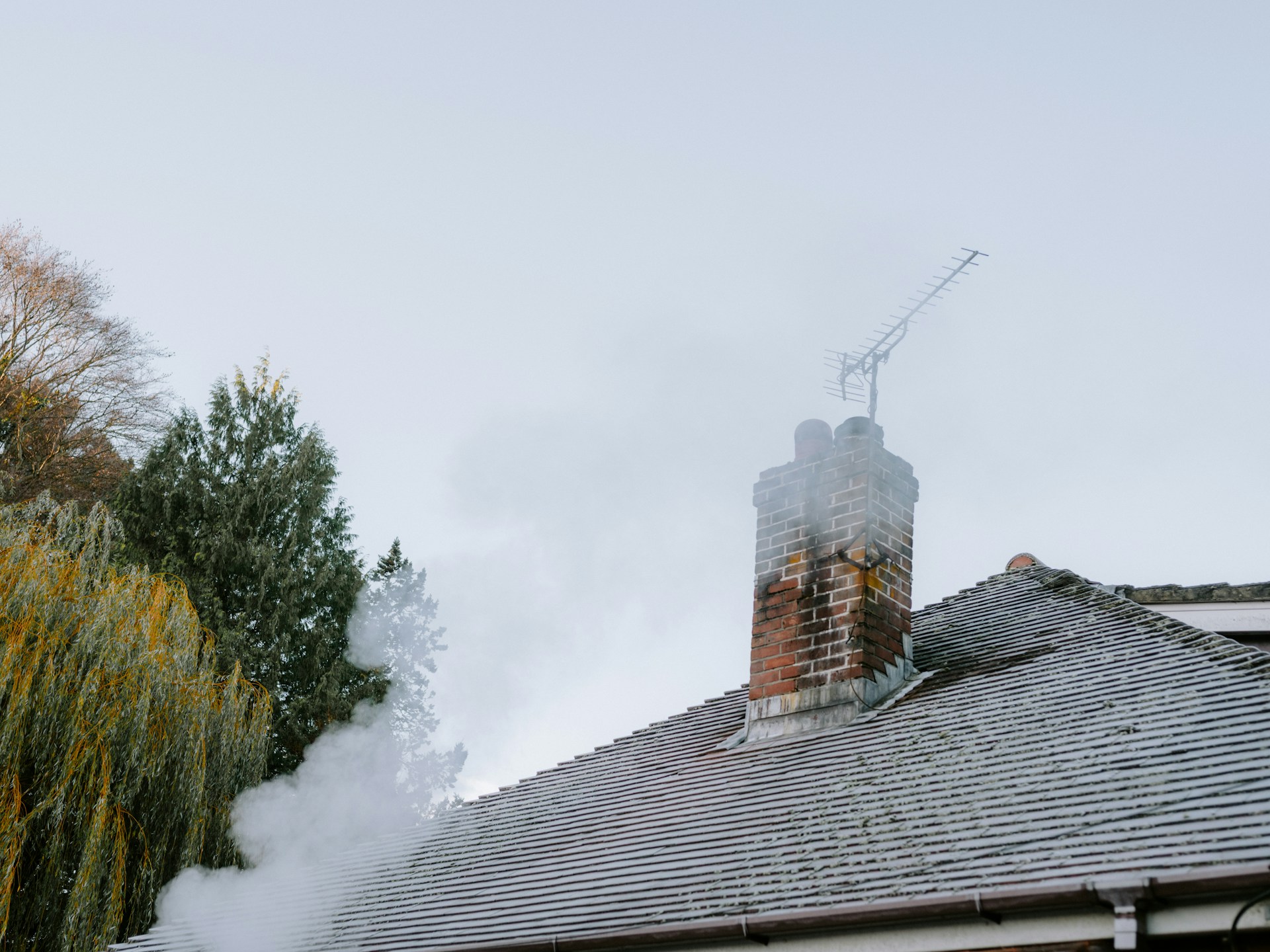
Freeze-Thaw Chimney Damage in Cincinnati: Spot and Prevent Masonry Cracks
Protect Your Chimney Before Spring Storms Hit
Spring is when chimney problems like cracks, loose brick, and leaks often show up. All winter, moisture has been working its way into tiny gaps. Once temperatures start jumping above and below freezing, that trapped water can cause real damage, especially around the roofline.
In the Cincinnati, Northern Kentucky, Southeast Indiana, and Dayton areas, early and mid-spring bring big temperature swings and heavy rain. That mix puts extra stress on your chimney crown, brick, and the area where your roof meets the chimney. If those parts are already weak, it is easy for a new roof leak around the chimney to start.
In this article, we will explain how freeze-thaw cycles damage chimneys, the signs you can spot from the ground and inside your home, and why dealing with issues early can help prevent expensive water and structural repairs later on.
How Freeze-Thaw Cycles Attack Cincinnati Chimneys
When water gets inside brick, mortar joints, small cracks, or chips in the chimney crown, it does not just sit there. As temperatures drop, that water freezes and expands. Then it melts, seeps in even deeper, and freezes again the next cold night. Over and over, this constant movement breaks down the materials that are supposed to protect your home.
Chimneys in our region face special stress because of things like:
Older masonry that has already worn down
Past storm damage that opened up small cracks
Wide temperature swings from warm afternoons to freezing nights
Regular snow, ice, and strong spring storms
All of this speeds up brick spalling, which is when the face of the brick flakes or pops off, and it wears away the mortar that holds everything together.
That exterior damage does not always stay outside. Once water finds its way into the structure, it can:
Rust fireplace components like dampers and firebox parts
Damage or crack flue liners
Create paths for heat, sparks, smoke, and carbon monoxide to escape into walls or attic spaces
So a rough-looking chimney is not just a cosmetic problem. It can affect safety and how well your fireplace and heating system work.
Common Signs of Spring Damage on Chimneys and Roofs
You can often spot early trouble with a careful look at your chimney and the nearby roof area from the ground or from a safe distance.
On the outside, warning signs include:
Flaking, chipping, or crumbling brick faces
Mortar joints that look thin, missing, or powdery when touched
Long vertical cracks, stepped cracks following the mortar lines, or sections that appear to lean
A chimney cap that is loose, rusted, or deteriorated
Any of these can let water in and set the stage for a roof leak around the chimney. Once there is a leak path, the water rarely stays in just one place. Inside your home, you might notice:
Brown or yellow water stains on ceilings or walls near the chimney
Peeling paint or bubbling wallpaper around the fireplace or chimney wall
Musty or damp odors when the fireplace is not in use
Damp or clumpy insulation in the attic close to the chimney
There are also subtle surface clues that homeowners often ignore:
White, chalky deposits on brick, called efflorescence, that show moisture is moving through your masonry
Rust streaks running down the face of the chimney
Flashing around the base of the chimney that looks cracked, bent, lifted, or separated from the brick or shingles
Any one of these signs is reason to have a professional take a closer look, since the worst damage may be hidden inside the chimney or under the roofing.
Why a Roof Leak Around the Chimney Is so Dangerous
A slow, steady roof leak around the chimney can do more harm than a quick, obvious drip. Because it often starts small, it can go on for a long time before anyone notices stains or wet spots.
As that leak keeps feeding water into the roof system, it can:
Rot roof decking and weaken the structure under the shingles
Damage rafters, trusses, and framing that hold the chimney and roof in place
Wash out mortar near the chimney base and loosen bricks
Inside the home, the same leak can cause:
Mold growth in ceilings, walls, and attic spaces
Sagging ceilings or even collapse risk in waterlogged drywall
Damage to nearby electrical wiring, light fixtures, or fans
Often, the visible leak is only a symptom. The real causes might include:
A cracked or crumbling chimney crown that lets water in from the top
Missing or failed mortar joints that allow water to travel through the structure
Flashing that has separated from the chimney or shingles
A deteriorated flue liner that no longer keeps heat, gases, and moisture contained
A full chimney inspection is the best way to find out how many of these issues are at play and what needs to be fixed first.
Proven Ways to Prevent Cracks, Spalling, and Failed Mortar
The good news is that regular care can greatly reduce freeze-thaw damage and chimney-related leaks. Instead of waiting for stains or missing bricks, focus on prevention.
Important maintenance steps include:
Annual chimney inspections to catch small problems before they grow
Professional sweeping to remove soot and debris that can trap moisture
Repointing mortar joints where the old mortar has worn away or cracked
Applying masonry waterproofing products that are designed for chimney brick and mortar
Along with the masonry work, water entry points need strong protection. That usually means:
A properly built and sized chimney crown that slopes to shed water away from the flue and brick
A quality metal chimney cap to keep rain, snow, and debris out of the flue itself
Correctly installed and sealed flashing where the roof meets the chimney
Timing also matters. Late spring is often a smart window for repairs and waterproofing because:
Freeze-thaw cycles are easing up, so new materials can cure without constant temperature swings
Masonry has time to dry out before the heat and storms of summer
Small spring repairs can prevent emergency calls during summer storms or the next round of cold weather
Fixing issues now means there is less moisture trapped inside the chimney when temperatures start dropping again.
When to Call Chimney Works for Inspection and Repair
Many homeowners are not sure when concern turns into action. A simple checklist helps. It is time to involve a professional if you notice:
Visible cracks, spalling, or loose bricks on the chimney
White efflorescence, rust streaks, or damaged flashing at the roofline
Water stains or peeling finishes near the chimney or fireplace
A musty or damp smell from the fireplace or nearby rooms
Any sign of a roof leak around the chimney, even if it seems minor
When we visit a home, we look at the whole system, from the top of the chimney down to the firebox. You can expect:
A thorough inspection of masonry, crown, cap, flashing, and flue
Photos or video of any problem areas so you can see what we see
Clear, plain-language repair recommendations prioritized by safety and urgency
A plan to address issues before the busy fall fireplace season
For homeowners in Cincinnati, Northern Kentucky, Southeast Indiana, and the Dayton Metro area, a spring chimney and roofline checkup is one of the simplest ways to keep the home dry, safe, and ready for whatever the weather brings next.
Protect Your Home From Costly Water Damage Today
If you have a roof leak around the chimney, addressing it quickly can prevent structural issues, mold, and interior damage. At Chimney Works, we carefully inspect your chimney, flashing, and roofing to find the real source of the problem and fix it the right way. Reach out to contact us today to schedule an evaluation and get your home protected.